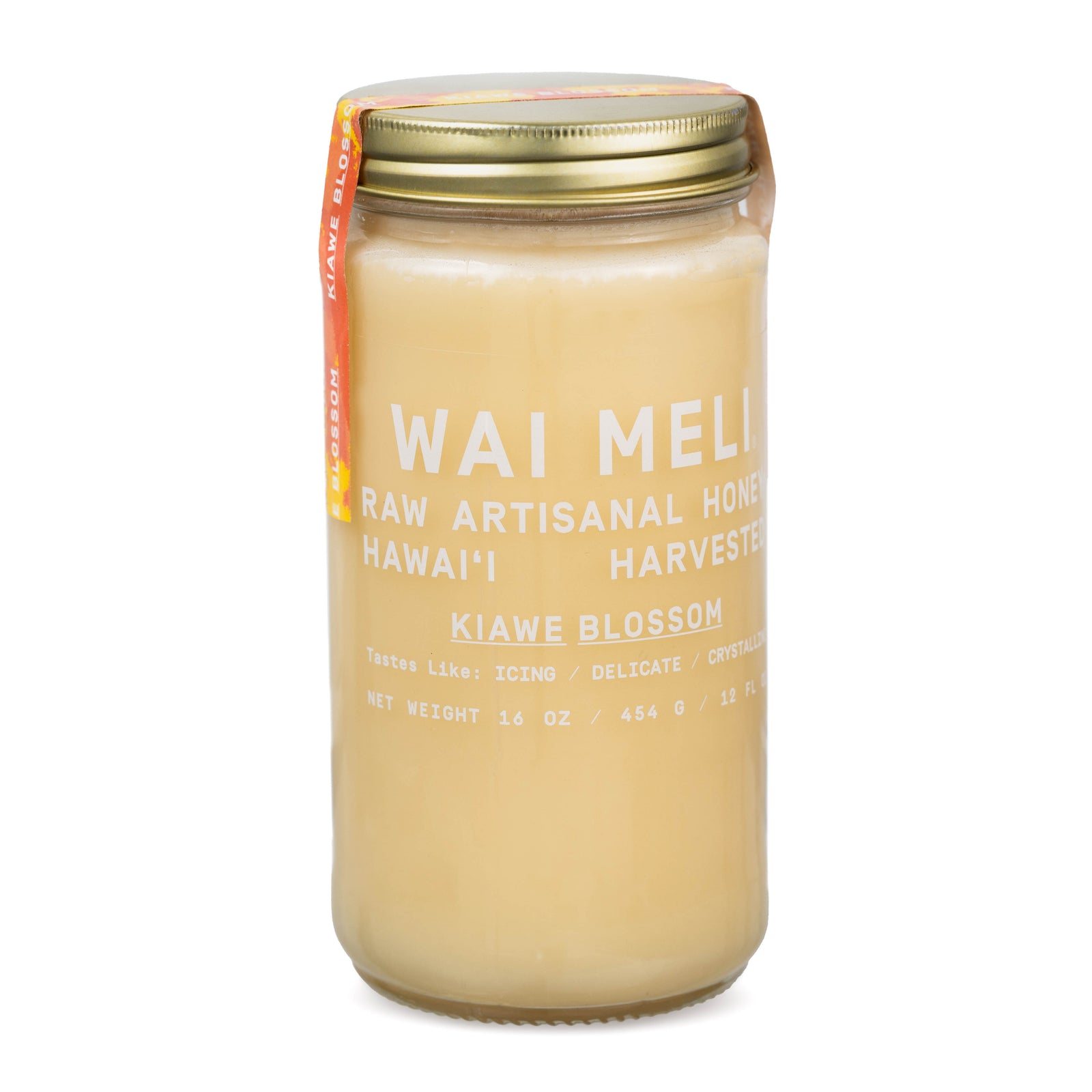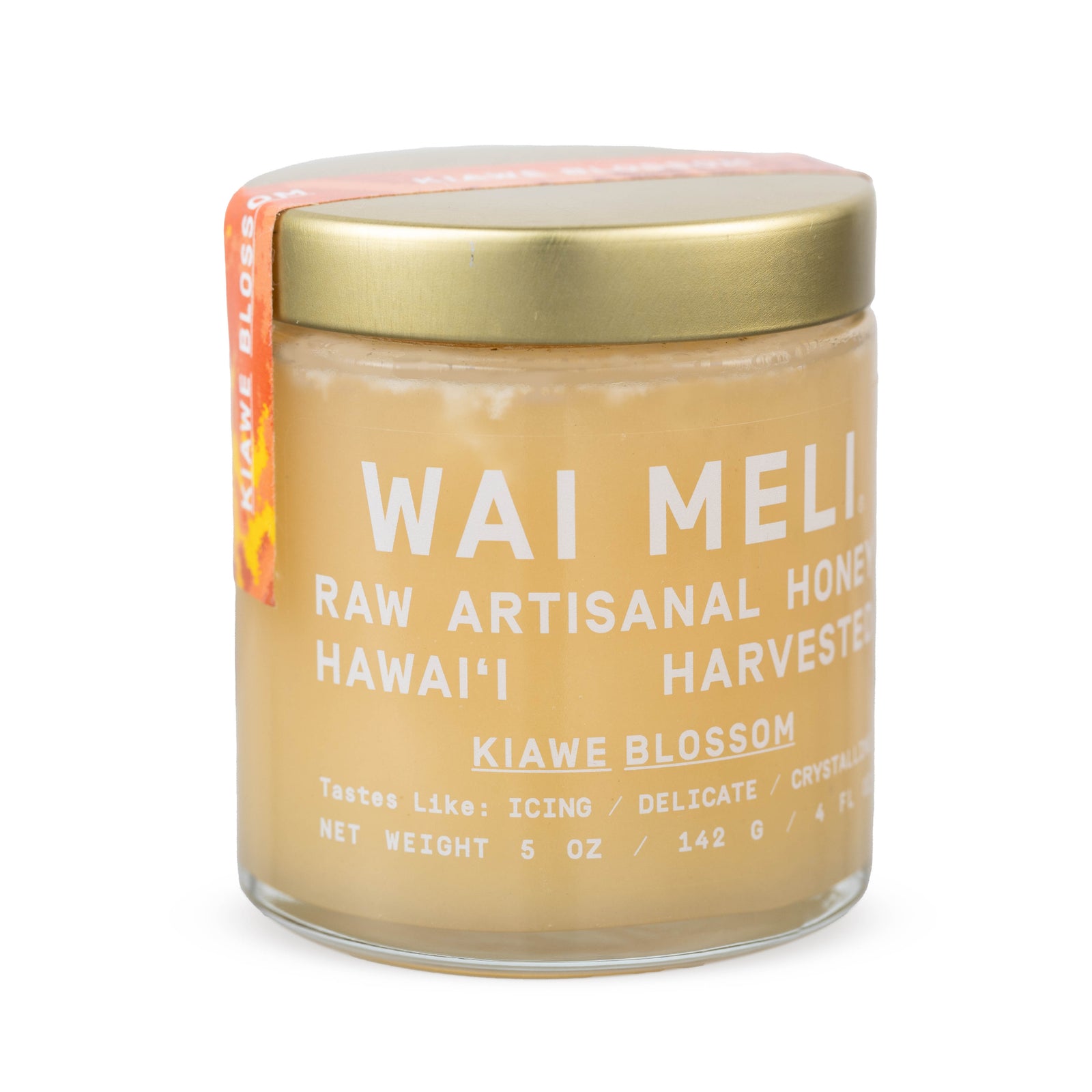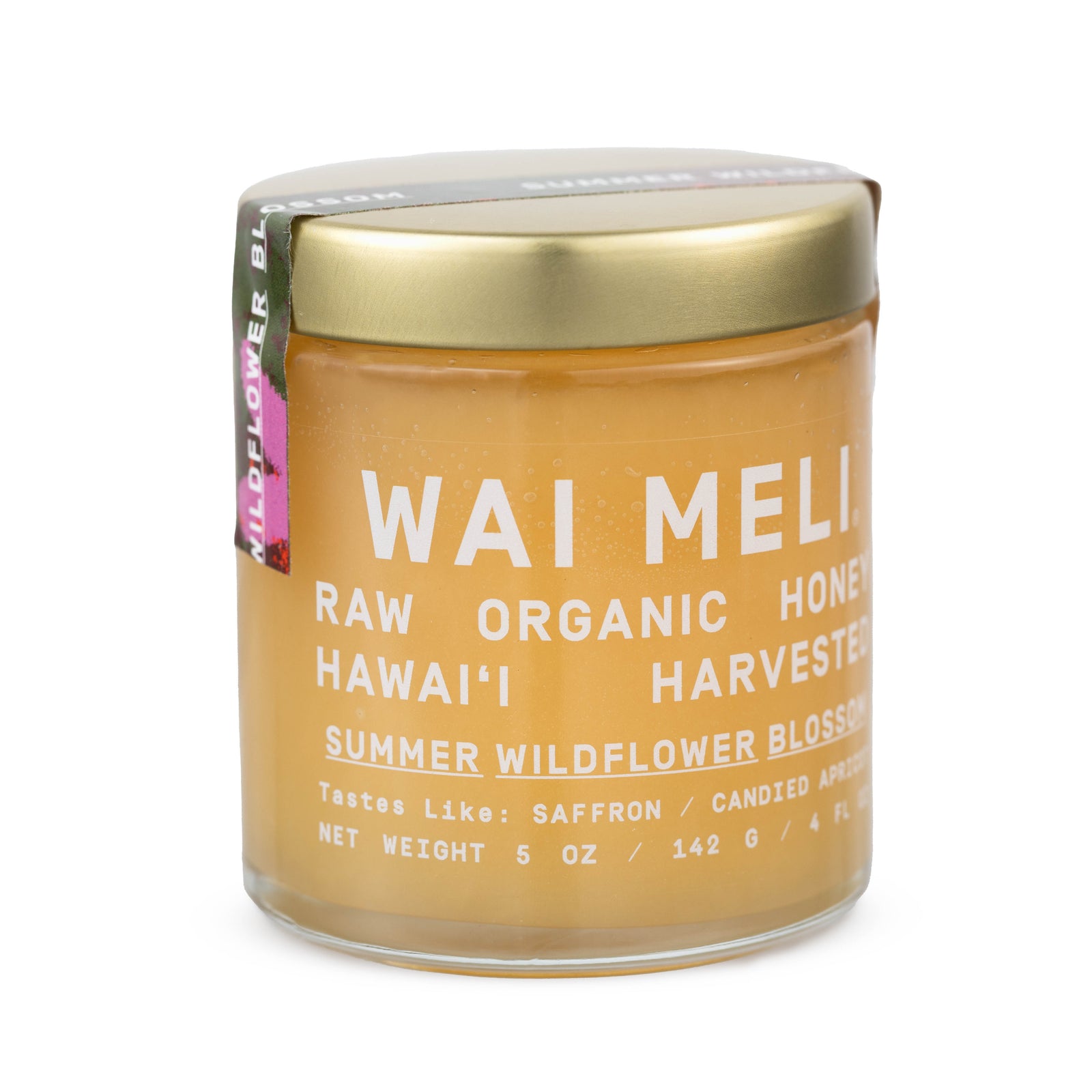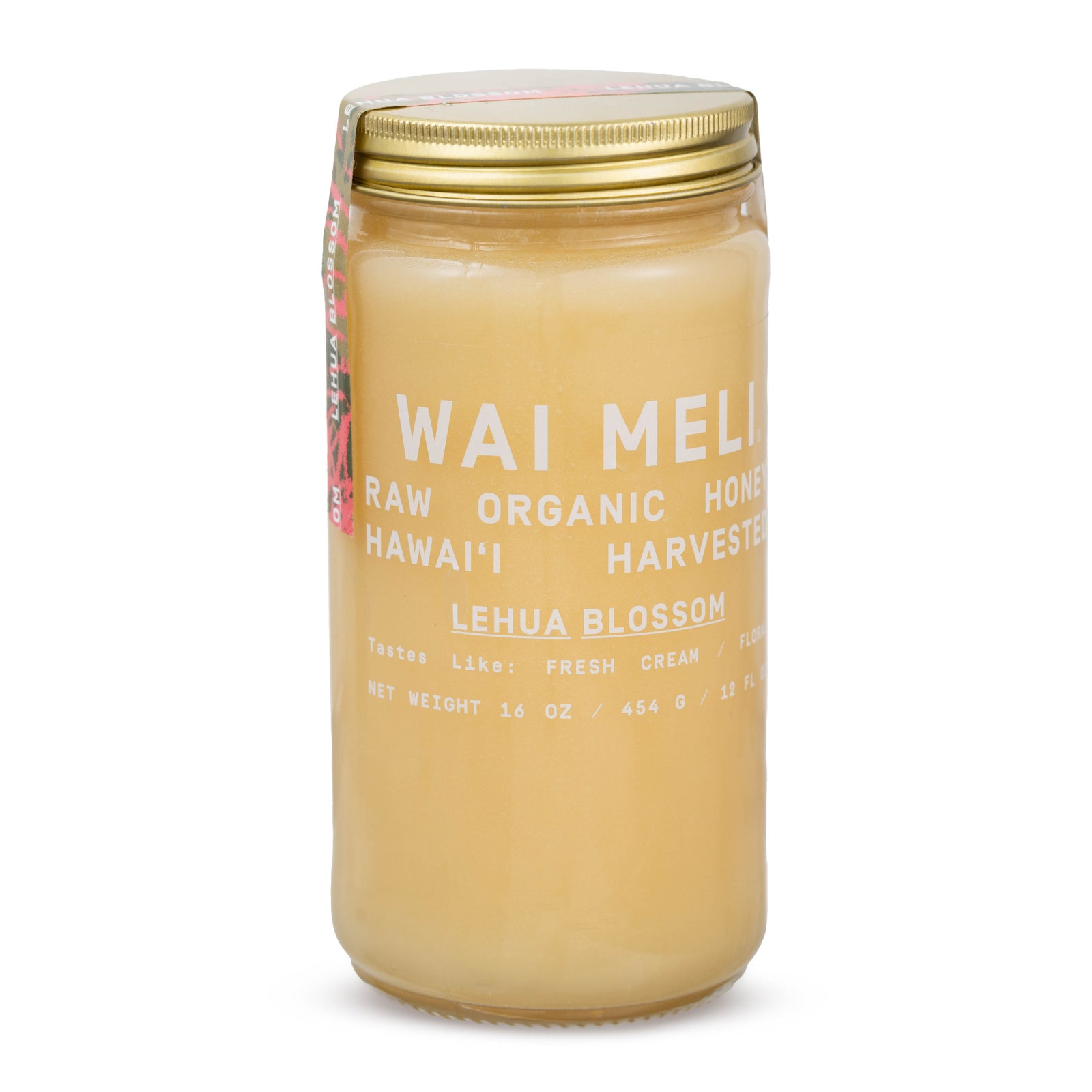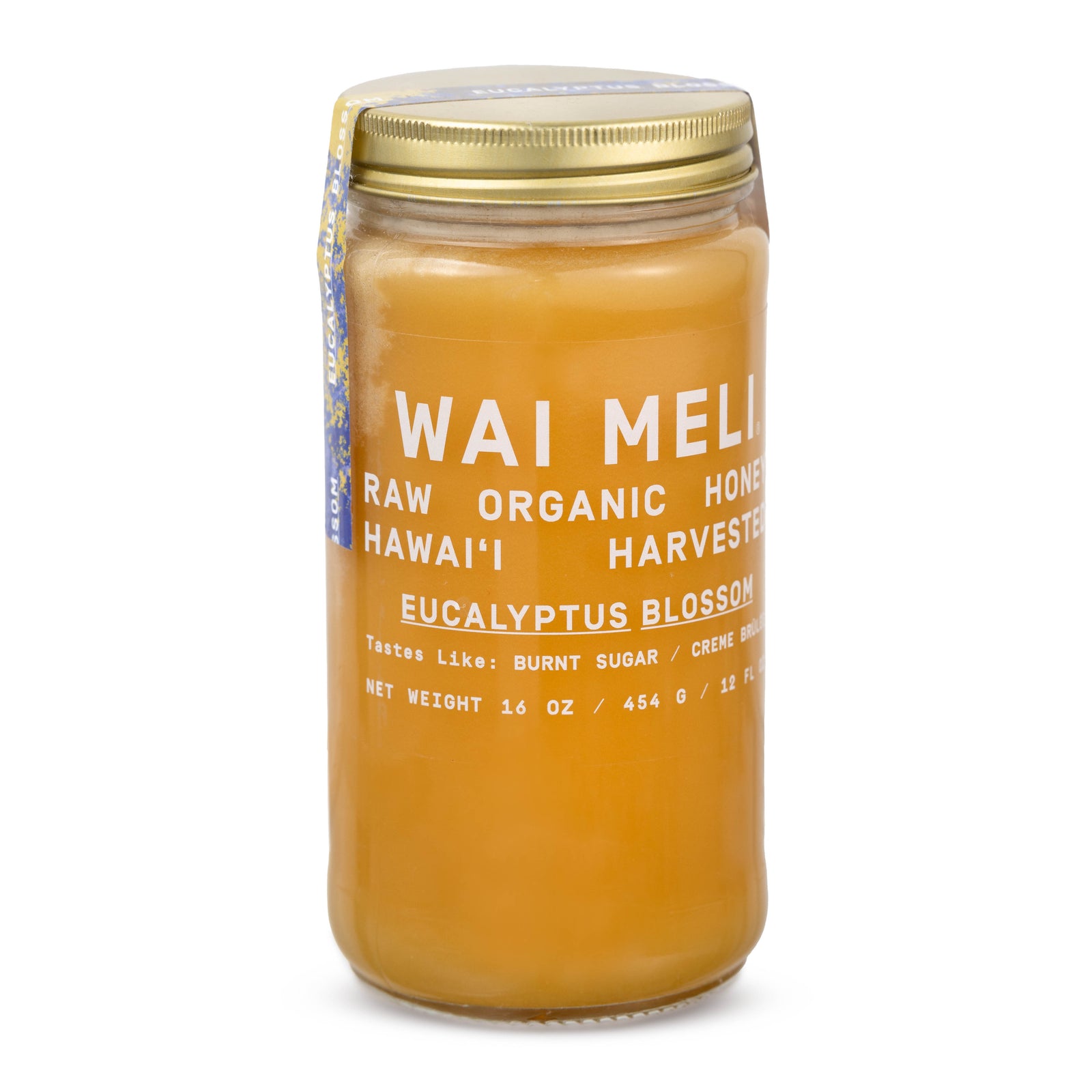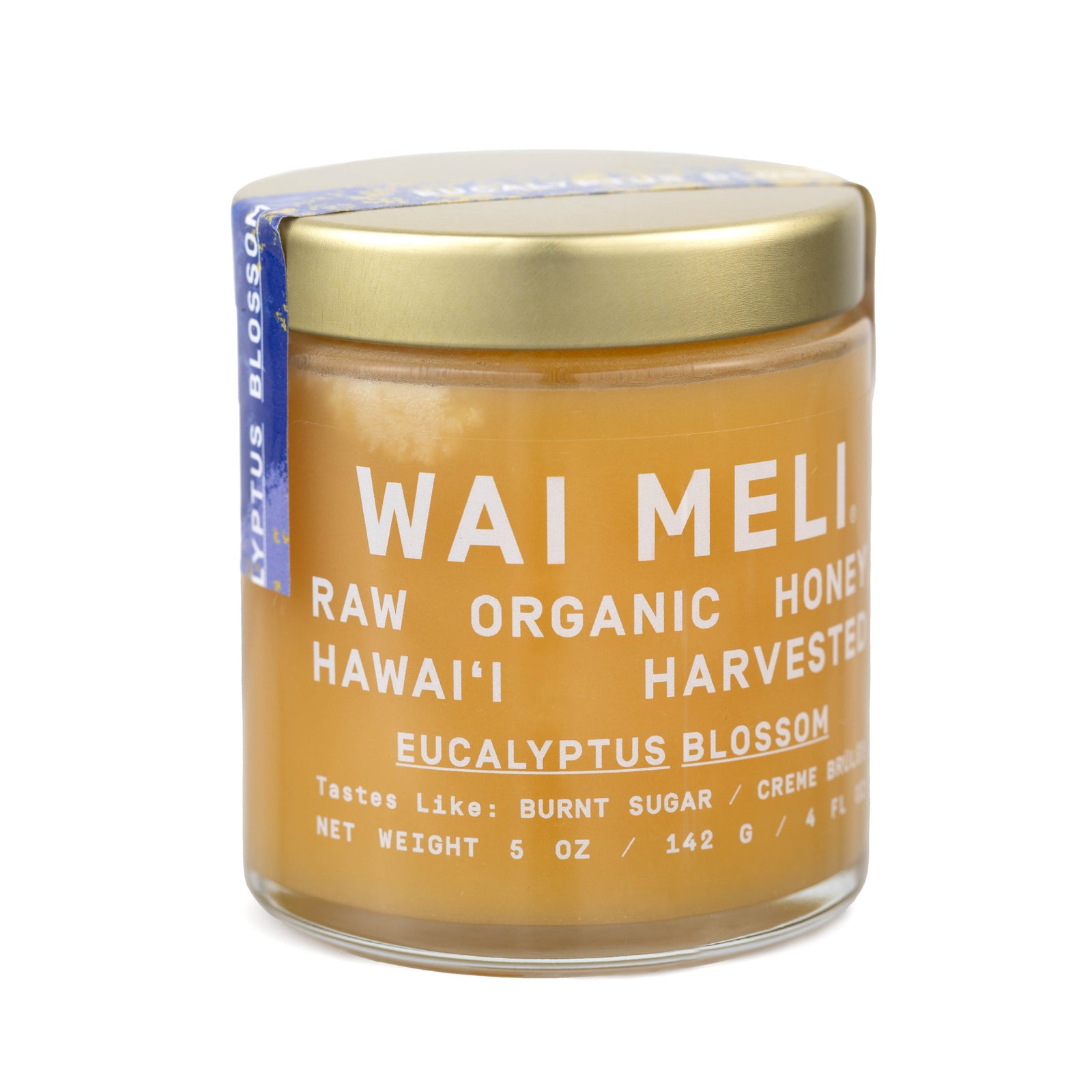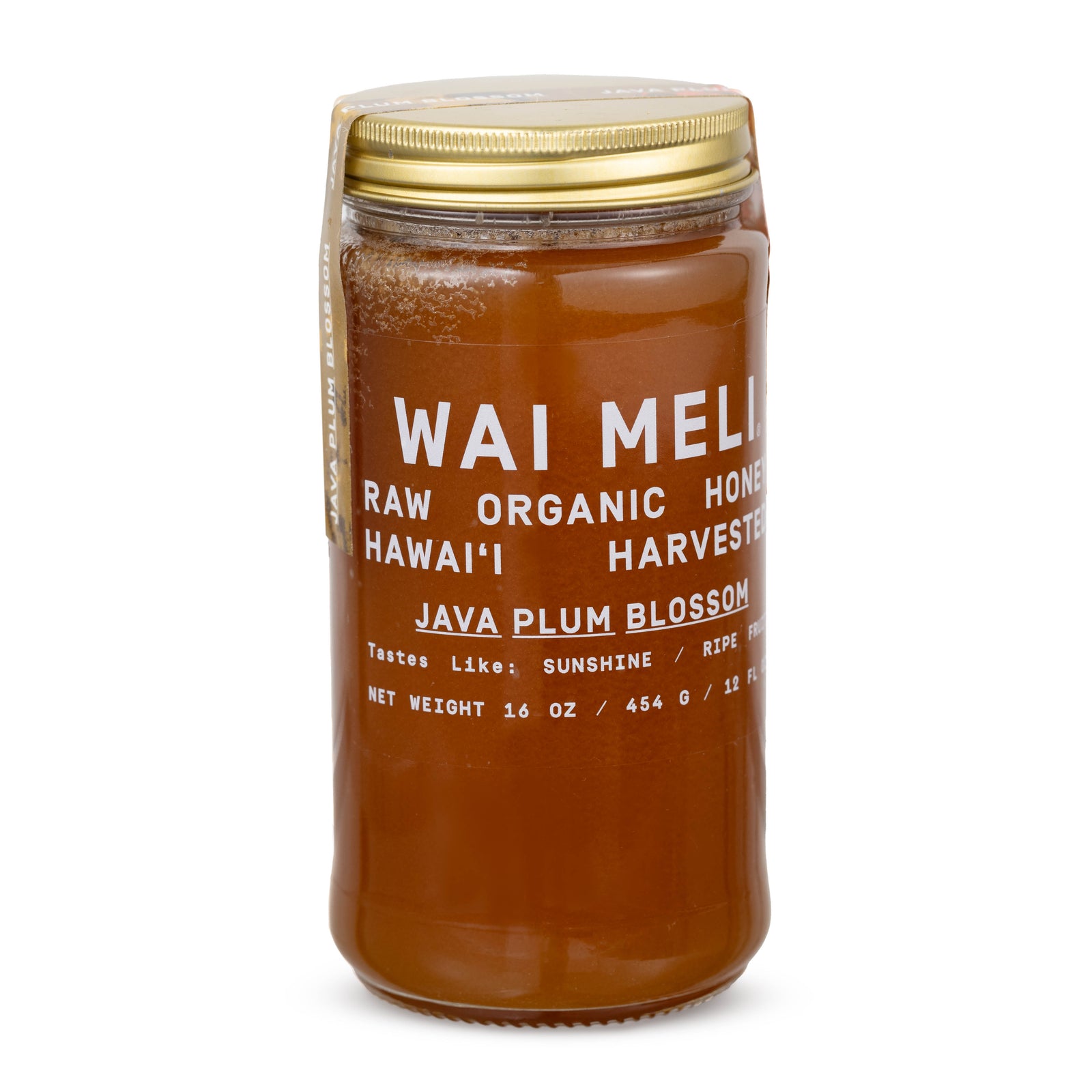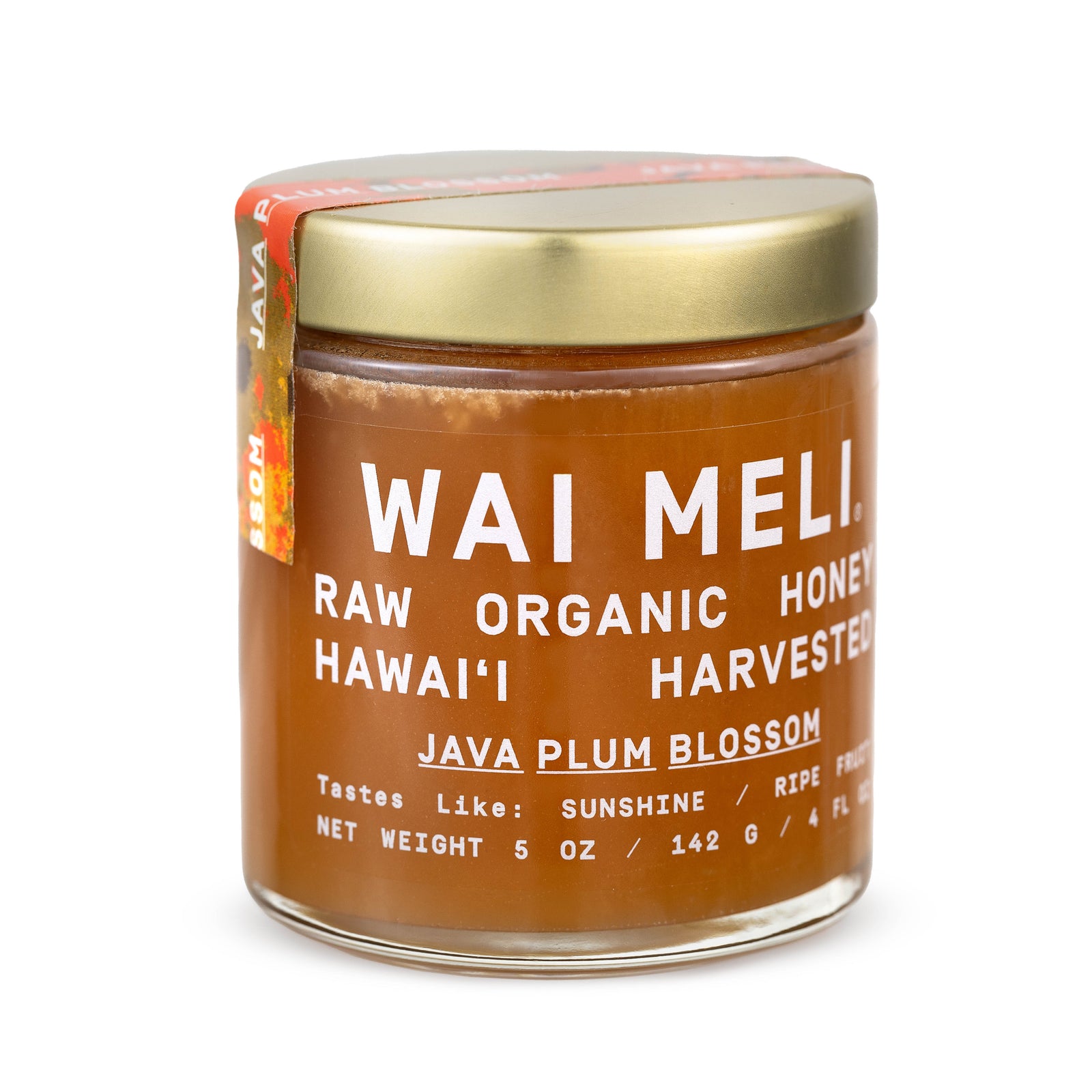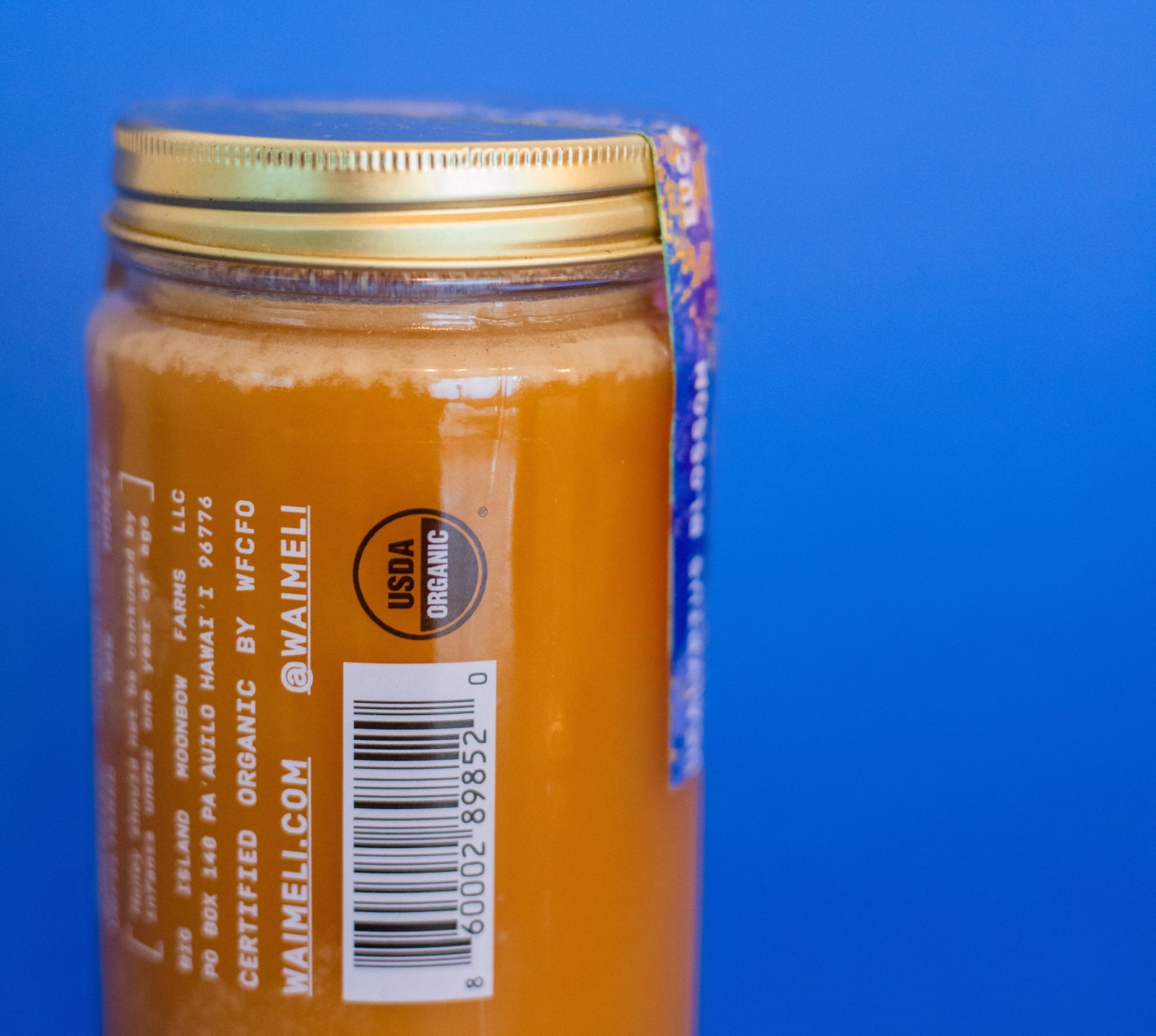

Wai Meli is a USDA Certified Organic Honey
When shopping for honey, you'll find countless jars labeled "pure," "natural," "raw," "local," or even "organic." But what do these labels actually mean? More importantly, how can you tell which claims are independently verified?
As of 2025, Wai Meli achieved a milestone that has been years in the making: USDA Certified Organic Honey.
While we've practiced organic beekeeping since 2011, becoming officially USDA Certified required rigorous third-party verification, extensive documentation, and years of dedication to producing honey in harmony with nature.
Here's what that certification means and why it's so exceptionally rare for United States honey producers.
What Does USDA Certified Organic Honey Mean?

The USDA Organic seal is one of the most recognized food certifications in the United States. It signifies that a product has been independently audited and meets the standards established by the USDA National Organic Program (NOP).
For honey, USDA certification evaluates far more than the contents of the jar.
Inspectors review:
- Apiary locations
- Beekeeping practices
- Hive materials
- Supplemental feeding
- Record keeping and traceability
- Honey handling and processing
Every step must meet strict organic requirements before a jar can carry the USDA Organic seal. For consumers, this USDA organic seal is an addition to a jar that is heavily verified through an accredited third-party certification process.
Why Is USDA Certified Organic Honey So Rare?
Here's something that surprises many people: There are no federal USDA standards written specifically for honeybees. Instead, accredited organic certifiers evaluate apiaries using adapted USDA Organic livestock standards.
That means beekeepers must demonstrate compliance through extensive documentation and customized certification plans designed for an industry the regulations were never originally written to address.
Even more challenging is where bees forage. Honeybees commonly travel up to three miles from their hive in search of nectar. To qualify for organic certification, certifiers must be confident that bees are primarily foraging in environments free from prohibited pesticides and other contaminants.
On the continental United States, that's extraordinarily difficult. Conventional agriculture, suburban landscaping, highways, and commercial development often make it nearly impossible to establish sufficiently protected foraging areas.
Hawaiʻi offers a rare exception.
Why Hawaiʻi Makes Organic Honey Possible

Our apiaries are surrounded by pristine forests on Hawaiʻi Island.
Here, our bees forage among wild and endemic blossoms to create single-varietal honey — including ʻōhiʻa lehua, Java plum, kiawe, and eucalyptus — far from the intensive agriculture and urban development common elsewhere.
These naturally protected landscapes provide the type of environment that makes USDA Organic certification achievable.
Because of Hawaiʻi's geography, Wai Meli is among only a very small handful of domestic honey producers known to have achieved USDA Organic certification for honey produced entirely within the United States.
From Organic Practices Since 2011 to Official Certification in 2026
For Wai Meli, certification wasn't about changing how we keep bees. It was about formally documenting practices we have followed for more than a decade.
Since 2011, we've cared for our bees using organic methods with one guiding philosophy: Healthy bees create exceptional honey.
Receiving USDA Organic certification in 2025 simply confirmed what has always guided our work.
Kawika's Story: Saving the Honeybee

Wai Meli's founder, Kawika Sebag, didn't begin beekeeping because he wanted to produce honey. He began because he wanted to help save honeybees.
After taking a beekeeping course in college, he became fascinated by the essential role bees play in healthy ecosystems and agriculture.
"Honeybees are the backbone of agriculture, providing pollination for one in every three bites that humans consume," Kawika explains.
Today, concerns such as habitat loss, pesticide exposure, parasites like the Varroa mite, diseases, and changing climate conditions continue to place pressure on honeybee populations around the world.
Wai Meli's priority has always been supporting healthy colonies through thoughtful, organic beekeeping practices that put the well-being of our bees first.
As Kawika explains:
"The way we keep our bees and subsequently process our honey ensures the full nutritive range and medicinal qualities inherently found in raw honey remain. In contrast, conventionally produced honey is stripped of those enzymes, amino acids and beneficial properties."
For us, exceptional honey begins with exceptional bee care.
Is All Honey Certified Organic?
No. In fact, the vast majority of honey sold in grocery stores is not USDA Certified Organic.
Many excellent beekeepers use responsible practices without pursuing organic certification. Others simply cannot meet the geographic requirements necessary for certification because their bees forage near conventional agriculture or developed areas.
Some organic honey sold in the United States is also imported from overseas.
That's why it's important to look beyond marketing language and verify whether a product carries an official USDA Organic seal.
Is Organic Honey Always Raw?

Not necessarily. This is one of the most common misconceptions.
Organic describes how the honey is produced and certified. Raw describes how the honey is processed after harvest.
A honey can be organic, but pasteurized or organic, but finely filtered. It's possible for honey to be raw, but not certified organic. Wai Meli is proud to be both.
Wai Meli Honey is:
- USDA Certified Organic
- Raw
- Unheated
- Unfiltered
- 100% Pure
- Harvested from our own hives
- Never blended with other honey sources
Is Organic Honey Worth It?
Whether organic honey is "worth it" depends on what matters most to you.
Many people choose USDA Certified Organic honey because they value independent third-party certification. Pursuing certification is an act of transparency and traceability.
Many perceive a higher value from a farm that utilizes organic beekeeping practices and harvests honey from protected landscapes with minimal processing and environmental stewardship.
For us, certification reflects our long-standing commitment to caring for our bees and preserving the integrity of every harvest.
How to Identify USDA Certified Organic Honey

If you're looking for genuine USDA Certified Organic Honey, check for:
- The official USDA Organic seal
- Certification information from an accredited certifier
- Clear information about where the honey was produced
Remember that words like "natural," "pure," "farm fresh," or even "organic practices" are not the same as USDA Organic certification.
The USDA seal indicates that an independent third party has verified the product meets national organic standards.
Understanding Honey Labels
Honey labels can contain many different claims. Some refer to processing. Others describe floral sources or harvesting methods.
Here's what a few common terms actually mean:
-
Raw: Not pasteurized or heavily filtered.
-
Organic: Certified under USDA Organic standards.
-
Single-source (Monofloral): Primarily derived from one floral source.
-
Unfiltered: Minimally filtered to preserve naturally occurring pollen and other fine particles.
-
Pure: Honey without added sweeteners (although this term alone is not independently regulated like USDA Organic).
Understanding these distinctions helps consumers compare products more confidently.
The Role and Limits of Certifications
Certifications provide valuable third-party verification, but they don't tell the entire story.
Many small beekeepers practice excellent stewardship without seeking certification, while certification alone doesn't necessarily speak to flavor, craftsmanship, or biodiversity.
USDA Organic certification is one part of a larger commitment to responsible beekeeping, transparency, and producing exceptional honey that reflects the unique terroir of Hawaiʻi.
Experience Certified Organic Honey from Hawaiʻi

Every blossom tells a story. Every harvest captures a season. And every jar reflects years of careful stewardship, healthy bees, and the remarkable landscapes they call home.
Becoming USDA Certified Organic in 2025 represents an exciting milestone for Wai Meli. But our commitment to organic beekeeping began long before the certification arrived.
We're honored to share that journey with you, one spoonful at a time.