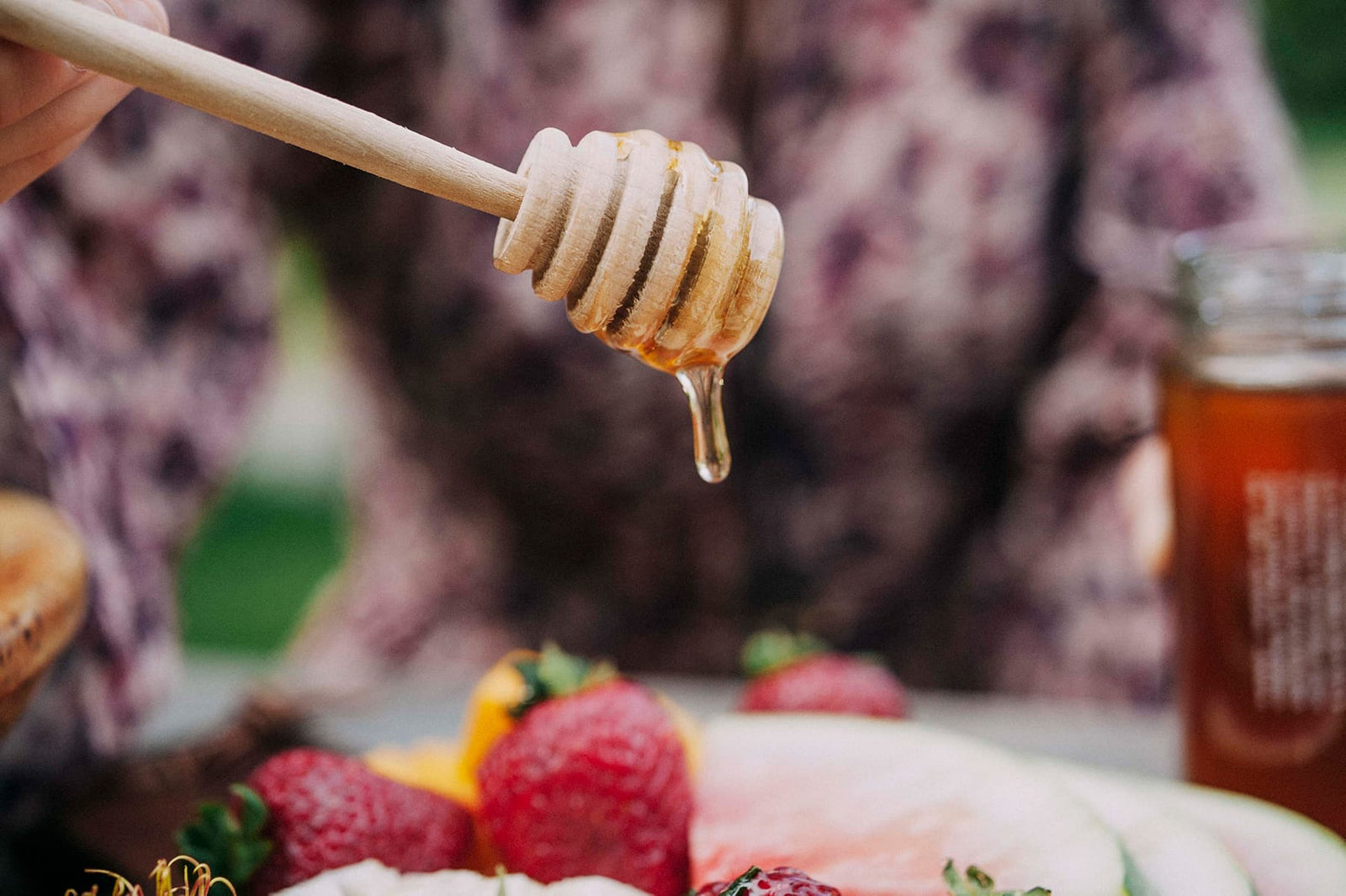

The Benefits of Raw Honey
This article is intended for educational purposes and is not medical advice. If you have a specific health condition such as diabetes, or are pregnant, please consult your healthcare provider about appropriate honey consumption. Raw Honey should never be given to children under 12 months of age.
You likely use it to sweeten your coffee or tea, or reach for a generous, gobsmacking amount when you’re feeling under the weather. But raw honey’s uses reach far beyond the in-the-moment acute solution to feeling unwell.
Raw honey has been a part of humankind’s natural remedy arsenal for millennia. Hieroglyphics depict Egyptians keeping bees and enjoying the sweet nectar of honey, both medicinally, and as a preservative. Across Traditional Chinese Medicine and Ayurvedic texts, you'll find it recommended for everything from digestive complaints to wound care.
The healers of antiquity understood something that modern science is only beginning to fully document: that pure, raw honey carries a complexity that far outstrips its reputation as a simple sweetener.
Below, we explore what that complexity looks like on a nutritional and cellular level, how raw honey may support your body from the inside out, and how to make the most of it in your everyday life.
The Nutritional Profile of Raw Honey

Raw honey is composed of approximately 80% natural sugars, 17% water, and 3% bioactive compounds. It's that final three percent that sets it apart from refined sweeteners entirely, because true raw honey contains bee pollen and bee propolis.
Bee pollen is a nutritious compound that contains over 250 active components, including a wide variety of antioxidants and several nutrients that the human body requires. It’s a good source of vitamins, proteins, minerals, and beneficial fatty acids. Some people take bee pollen supplements to gain the health benefits of honey in a more concentrated form.
Raw honey also contains bee propolis, a glue-like substance that helps the bees in building their hives. Some scientists believe that it is also beneficial for humans, though naturopaths and herbalists have suggested so for years. Bee propolis contains vitamins B, C, and E, magnesium, potassium, and beneficial enzymes, as well as anti-inflammatory and anti-fungal properties.
It's worth noting that the amounts of vitamins and minerals in any single tablespoon are modest, so honey isn't a supplement replacement. But these nutrients work synergistically within honey's full bioactive matrix, in combination with its polyphenols and enzymes, in ways that refined sugar simply cannot replicate.
Raw Honey vs Processed Honey
Conventional store-bought honey is typically heated and finely filtered during production. This process removes bee pollen, destroys many of the naturally occurring enzymes, and degrades heat-sensitive vitamins and polyphenols.
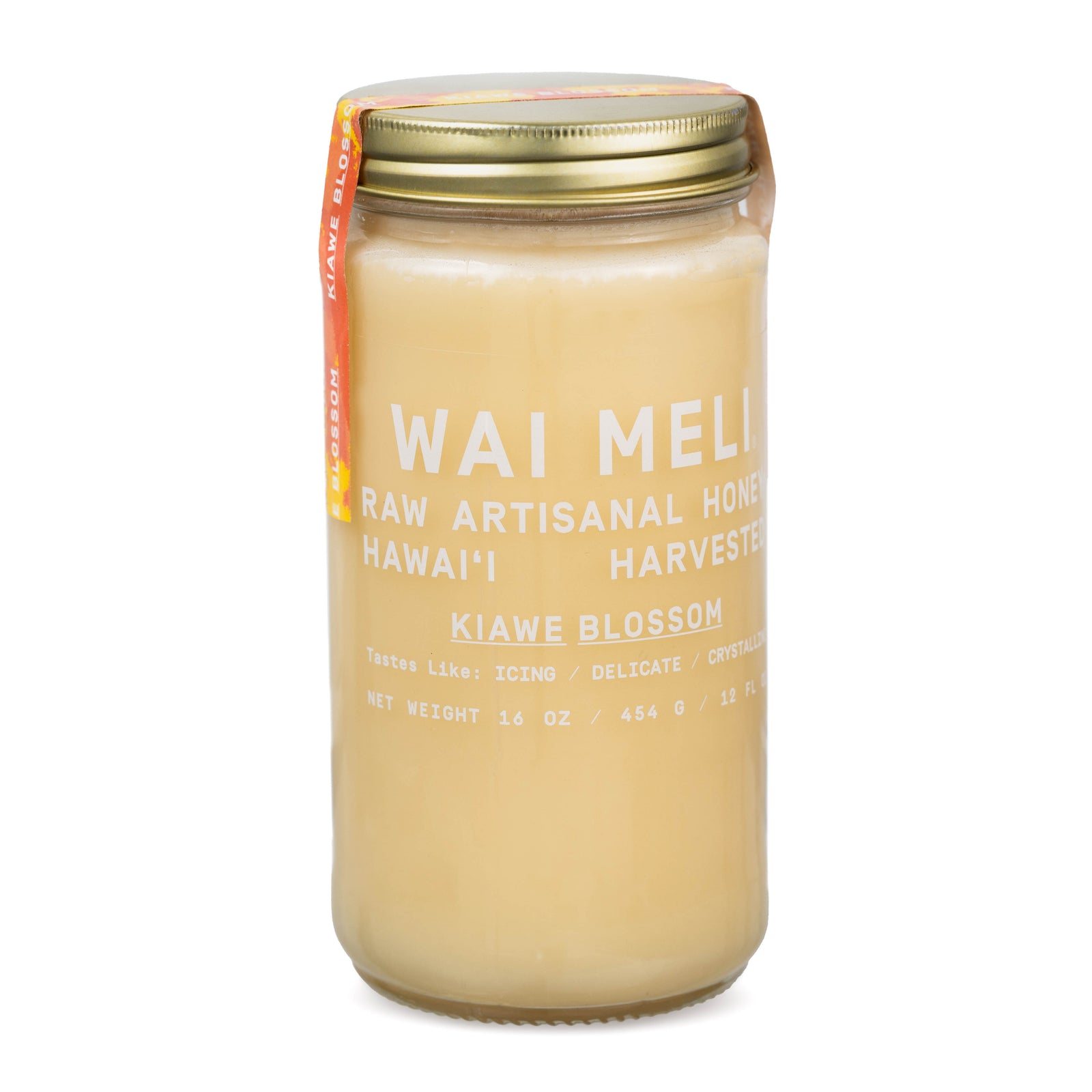
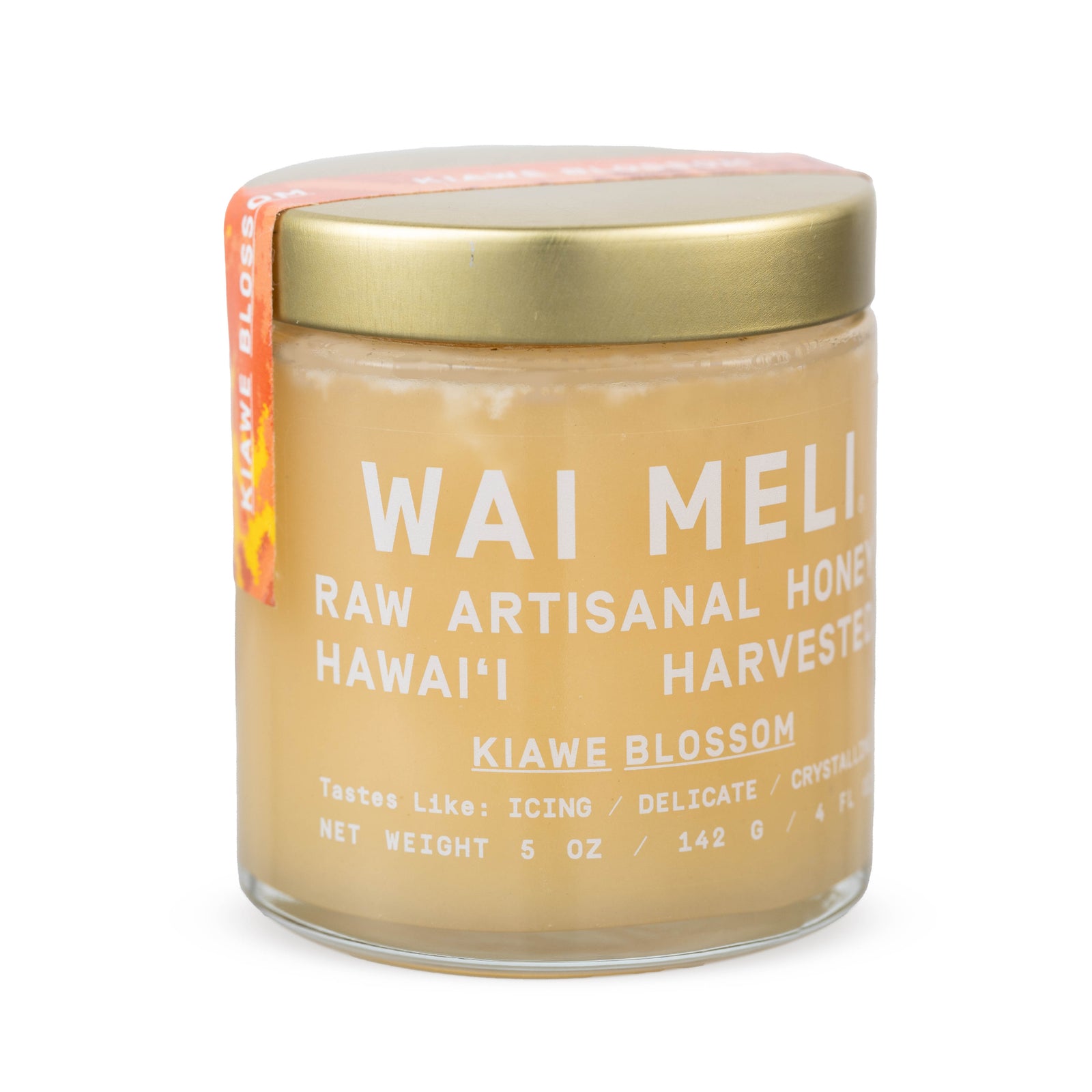
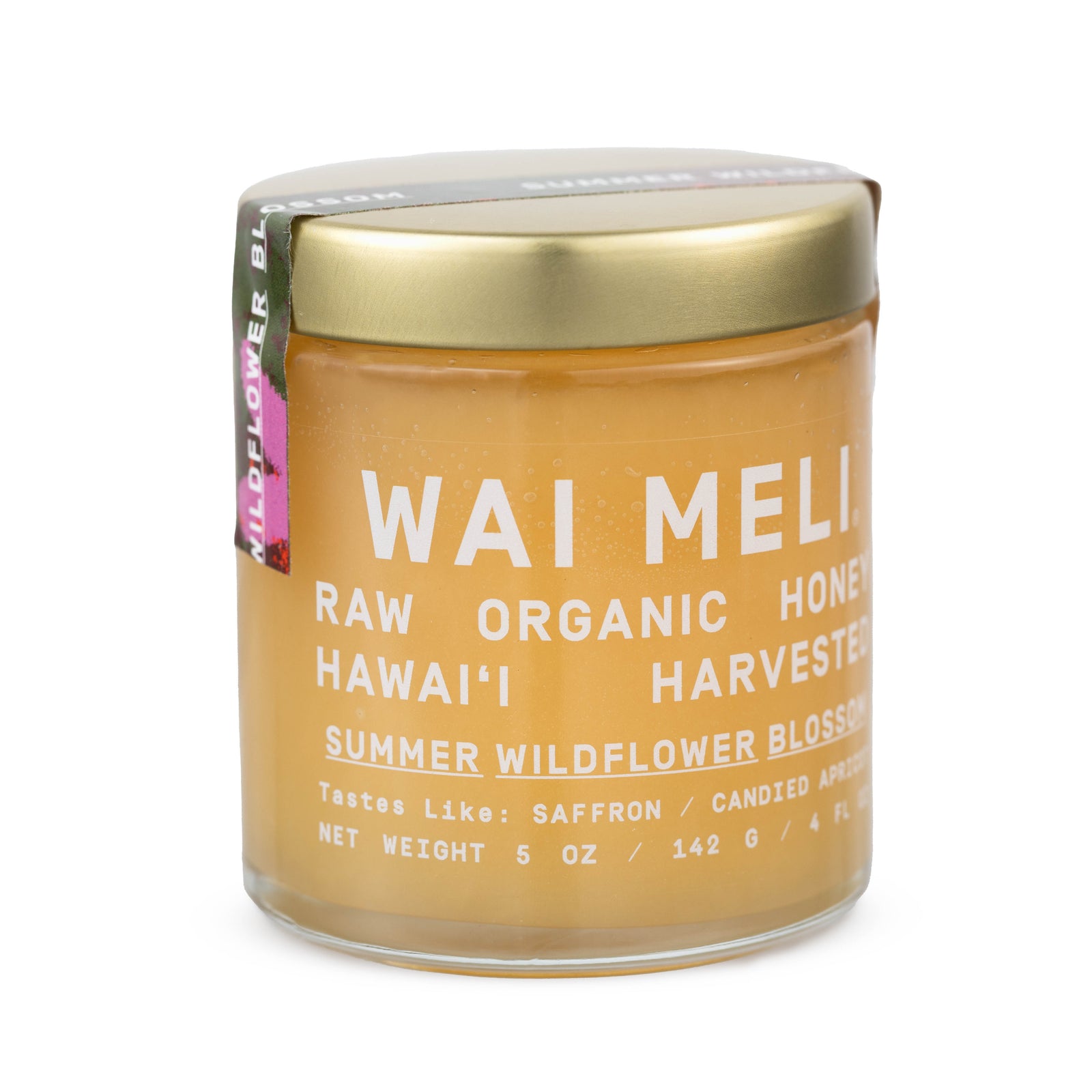
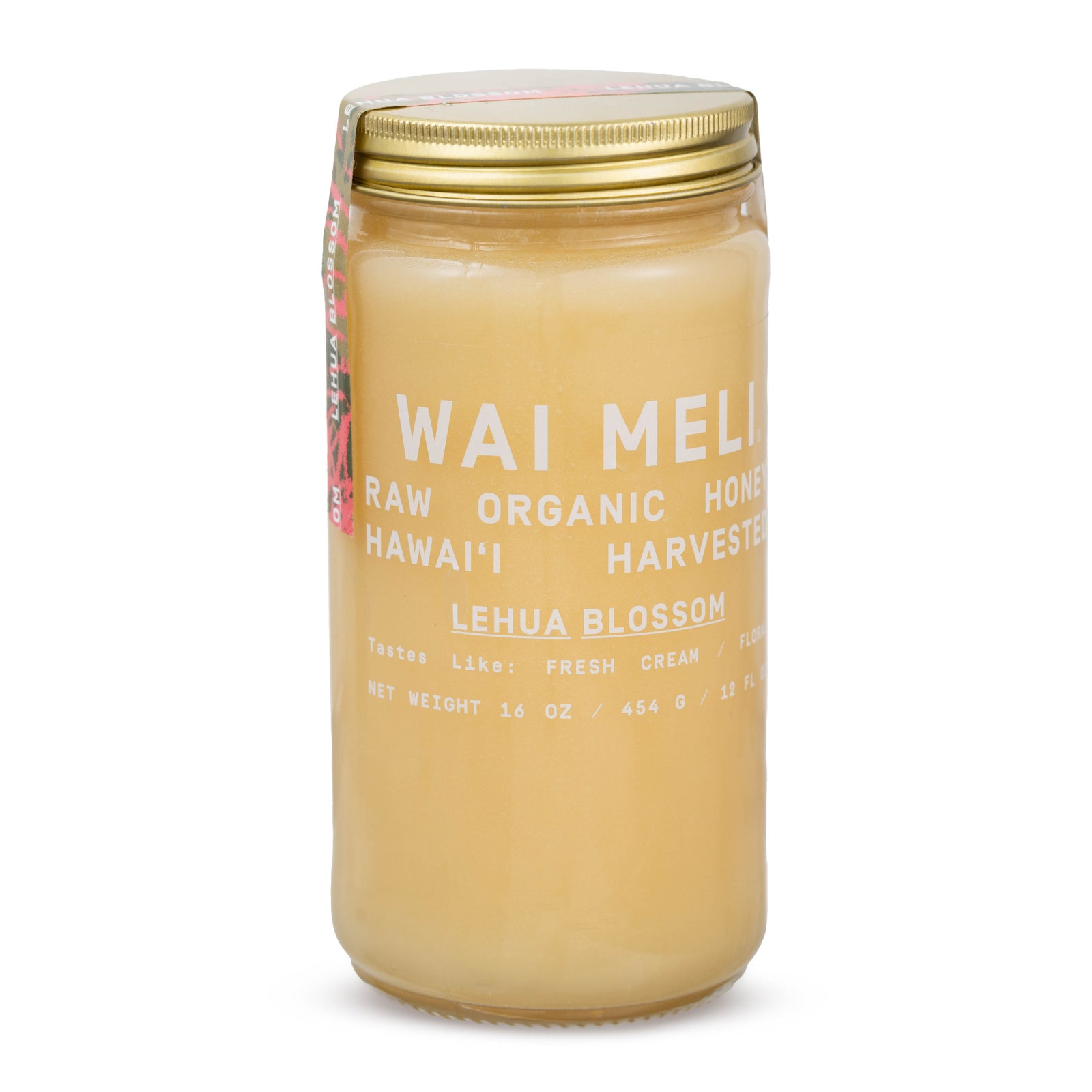
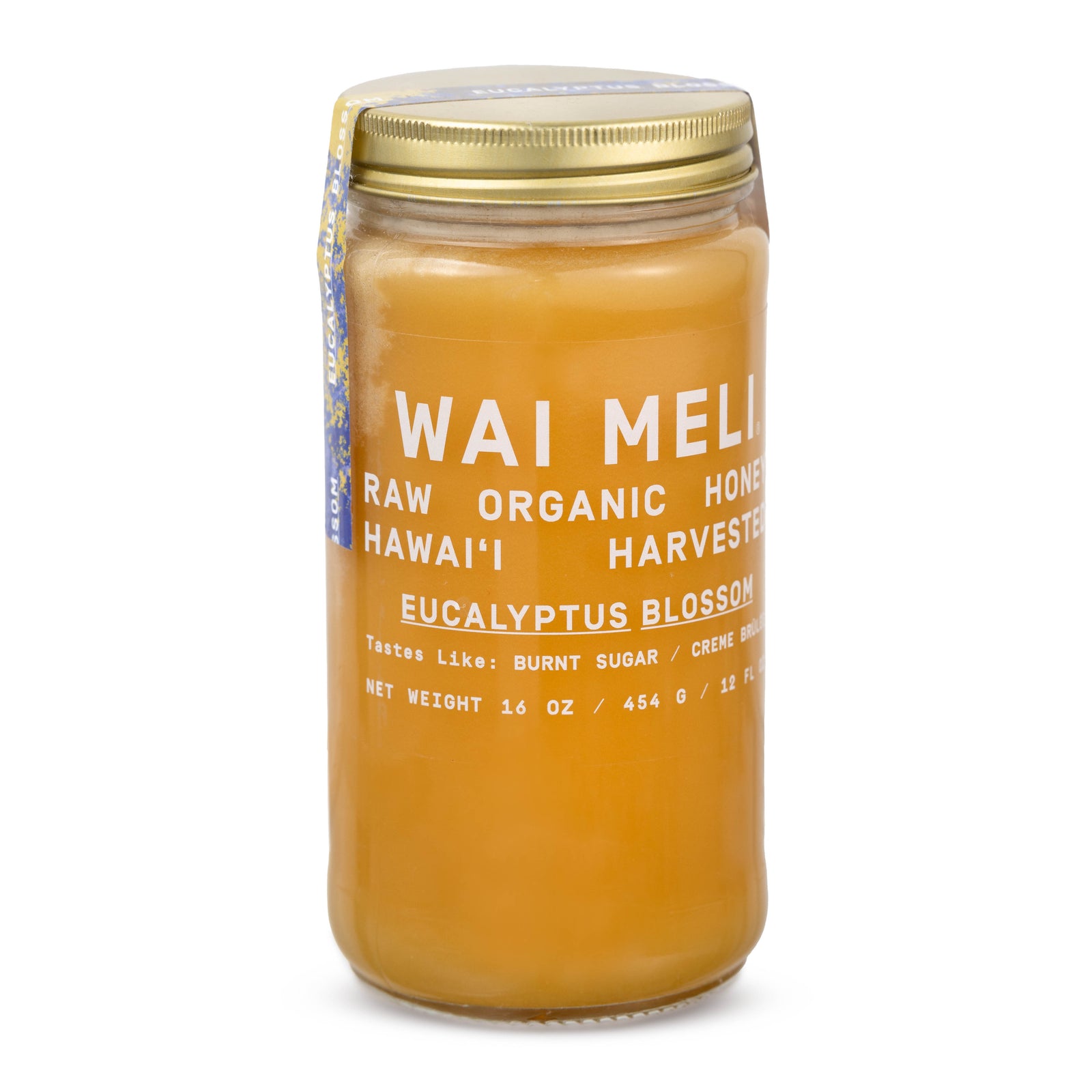
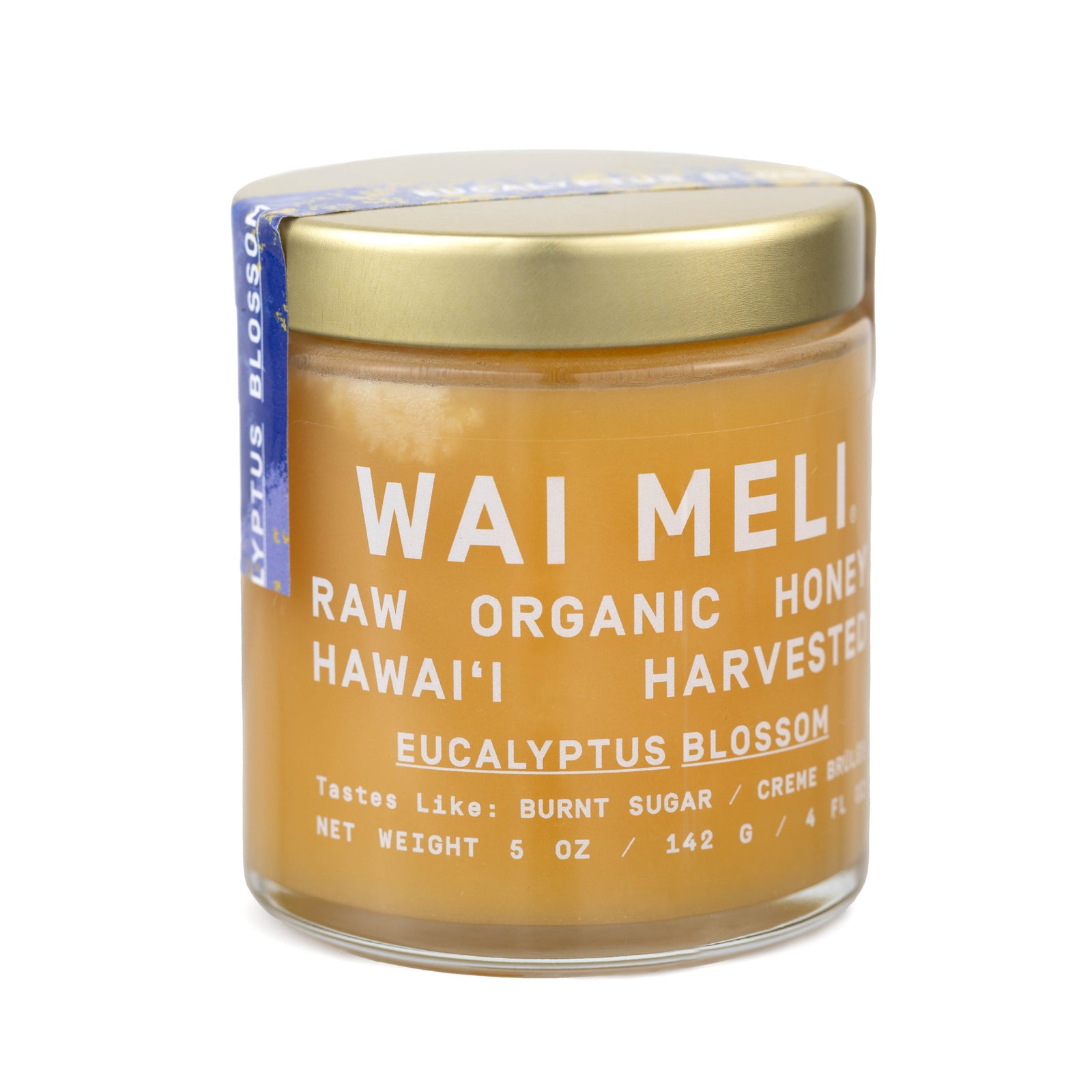
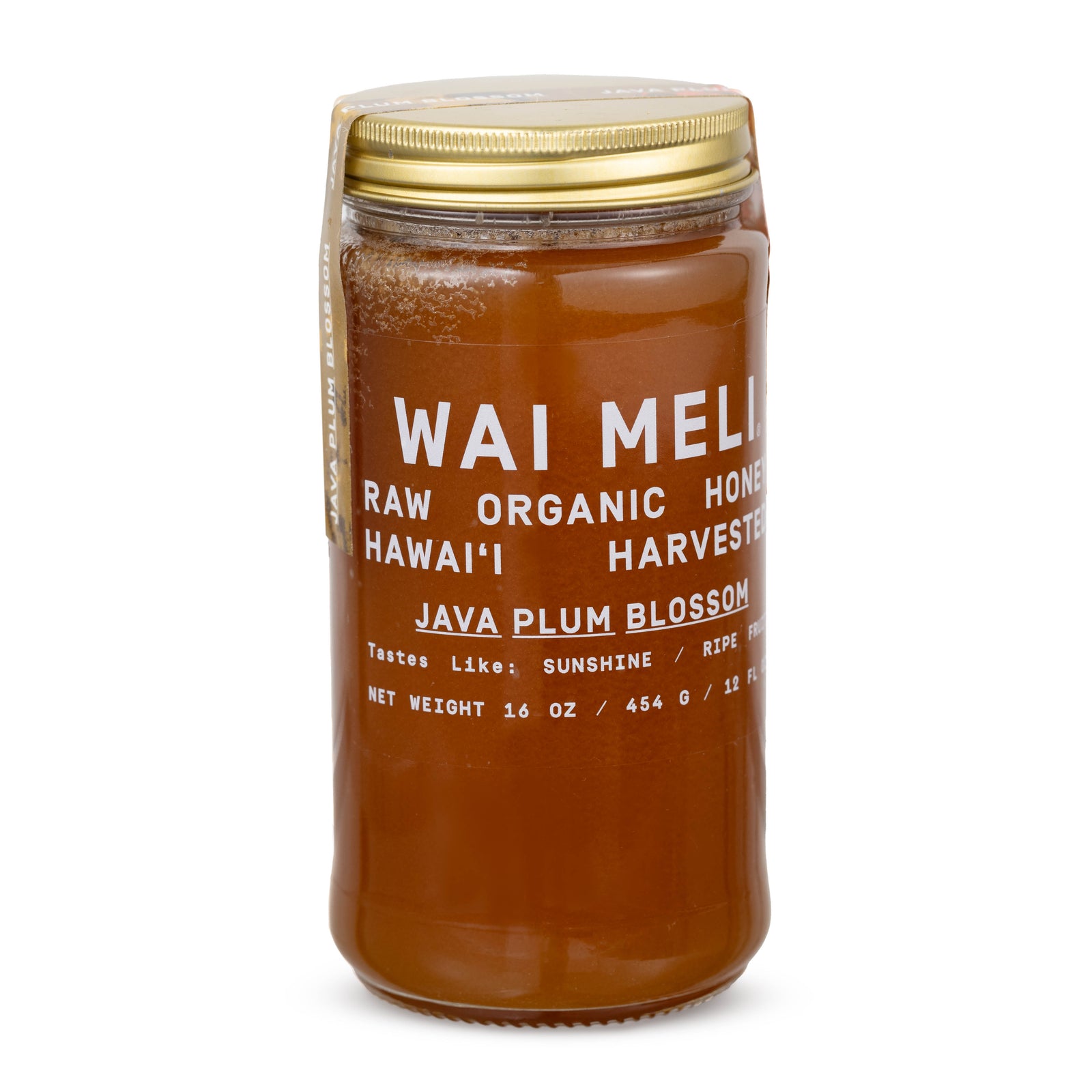
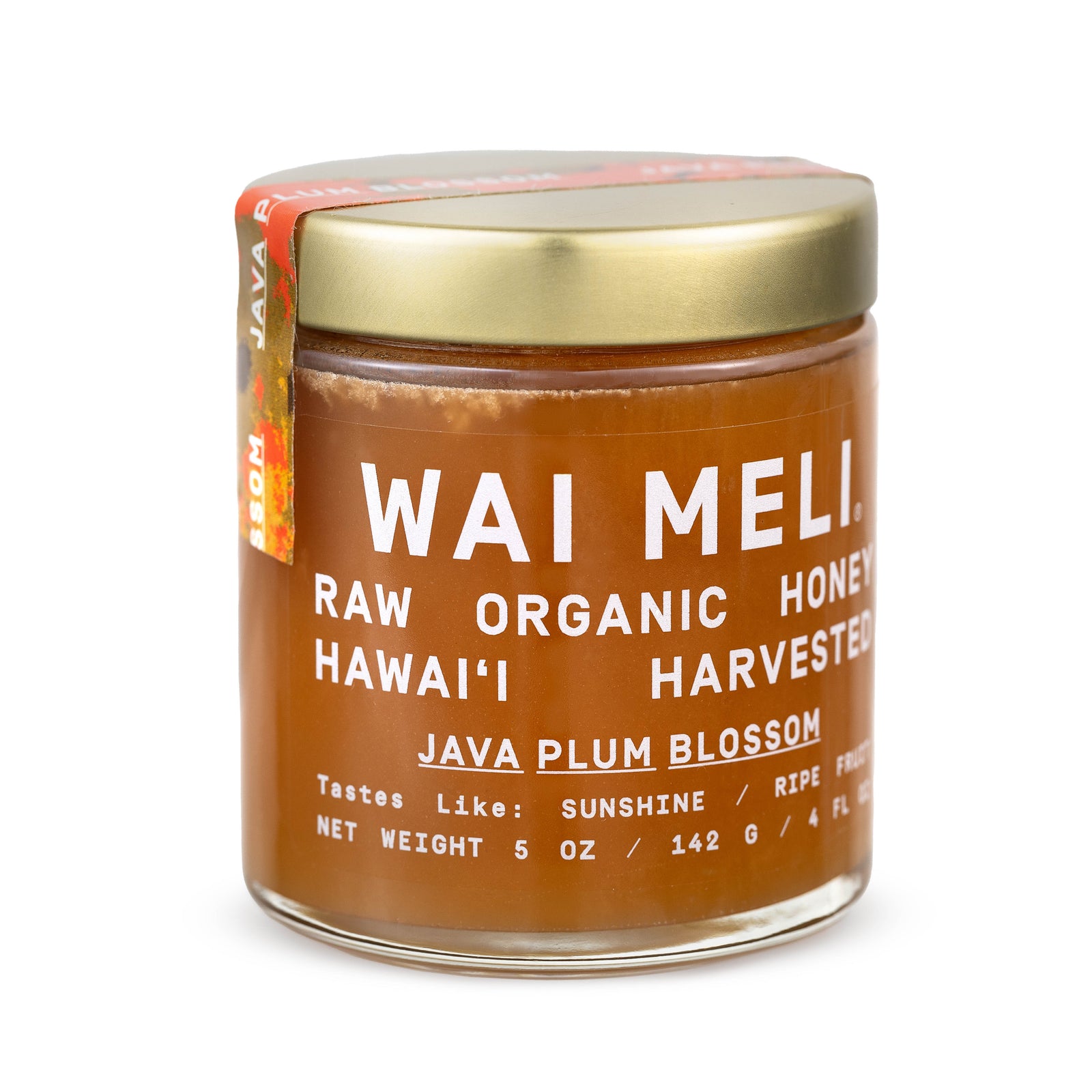
Raw honey, by contrast, goes from hive to jar with minimal intervention, preserving what makes it nutritionally remarkable. Our Wai Meli honey is as raw as it comes, which means every jar retains the full spectrum of what the bees intended.
What honey offers that no synthetic sweetener can is a constellation of micronutrients, enzymes, amino acids, and antioxidants that interact with one another and with the body in ways still being studied. Darker, more mineral-rich honeys, like certain Hawaiian varieties, tend to carry a higher concentration of these compounds.
Science-Backed Health Benefits of Raw Honey
1. Raw Honey for Raising Your Body's Defenses
Studies have shown that a daily dose of raw honey can raise health-promoting antioxidants in the body. These antioxidants help block free radicals, which are the source of oxidative stress that lead to inflammation. Raw honey is rich in polyphenols, which are powerful antioxidants that can reduce the risk of numerous diseases and cancers.
In a UC Davis study, subjects took four tablespoons of honey for 29 days. Their diets were congruent during those days, with the 4 tbsp of honey being the only exception. At the end of the study, blood work showed that the antioxidant levels in the participants' bodies were higher due to the polyphenols contained in honey. This is significant because an excess of free radicals in the body creates oxidative stress, which leads to inflammation and disease when left unchecked.
As a general principle, an antioxidant-rich diet is one of the most broadly supported strategies in preventive nutrition. And as benefits go, this one has never tasted better.
2. Raw Honey for Sore Throat and Cough

There is reasonably solid evidence to suggest that raw honey can help with a sore throat.
Honey coats the throat, while its naturally occurring antimicrobial compounds may contribute to its soothing effects. The Mayo Clinic notes that studies have shown that raw honey appears to work as well as diphenhydramine (a common active ingredient in over-the-counter cough medicines) to ease cough symptoms.
How to use raw honey for a sore throat: The simplest approach is a generous spoonful of raw honey on its own, which allows it to coat the throat directly. Stirred into warm (not boiling) water with lemon is another well-loved method. Avoid adding honey to actively boiling liquid, as excessive heat degrades its enzymes and reduces its beneficial properties.
Important note: Raw Honey should never be given to children under 12 months of age.
3. Medical-Grade Raw Honey for Wound Healing
Raw honey is a natural antiseptic. Topically, it can support the healing of cuts and burns by killing germs and keeping wounds clean and infection-free.
Research has shown that medicinal grade honey dressings significantly accelerated wound healing time and increased the percentage of wound closure in chronic wound management.
Raw honey has anti-inflammatory properties that can reduce pain, swelling, and scarring. Many types of bacteria can't survive in honey, which allows the body to speed up the healing process and supports tissue in growing back more quickly. In fact, many hospitals and wound care facilities now incorporate medical-grade honey into clinical protocols.
Note: Medical-grade honey is sterilized and specifically refined for topical wound care. Raw honey is unpasteurized, nutrient-rich, and consumed for its antioxidant and dietary benefits, but it is never sterile.
4. Raw Honey for Clean Energy
Raw honey contains both fructose and glucose, both of which act as energy sources for the body. Along with natural carbohydrate sugars, raw honey contains other nutrients that are key in providing energy for your body. The vitamins, minerals, and amino acids found in raw honey all play a part in providing efficient readily available energy.
Think about sports gels that athletes use before a game or competition. They primarily contain glucose because that is what our bodies run on. But it’s also often filled with fillers, colorants, and unpronounceable ‘ingredients’.
Raw honey is a great alternative to fuel your athletic performance and get a boost of energy, or trade in that coffee during an afternoon slump.
Health Benefits of Raw Honey That Require Further Research
1. Raw Honey May Counter Seasonal Allergies

Folk medicine and home based remedies have named raw honey, specifically the bee pollen which it contains, to act as a natural allergy reliever for some time.
The idea of honey reducing allergy symptoms is based on a concept known as immunotherapy. Bees travel between flowers collecting pollen that is the source allergy symptoms. When you eat local raw honey varietals, you consume the same pollen. After feeding your system raw honey for an extended period of time, it is possible that an allergy sufferer may become less sensitive to pollen and may experience fewer seasonal allergy symptoms.
However, while some small studies and personal experiences suggest there may be benefits, the scientific evidence is currently mixed. Researchers have not yet found consistent proof that eating local raw honey reliably reduces seasonal allergy symptoms, and more high-quality clinical studies are needed before firm conclusions can be made.
2. Raw Honey May Support Gut Health
This is an area of genuinely exciting and growing research. Raw honey has a long traditional history of use for digestive complaints, and modern science is beginning to explain why.
Raw honey contains non-digestible oligosaccharides: complex sugars that your body cannot break down, but that your beneficial gut bacteria thrive on. This classifies raw honey as a prebiotic food, meaning it acts as fuel for the microorganisms that support a healthy gut ecosystem.
A 2022 review published in Frontiers in Nutrition found evidence that certain honeys can selectively nourish beneficial microbial species, particularly Lactobacillus and Bifidobacterium, while inhibiting harmful bacteria. The authors concluded that honey has genuine potential as a prebiotic food capable of positively influencing the gut microbiome.
While raw honey shouldn't be considered a treatment for digestive conditions, and prebiotic evidence in humans remains limited, it can be a delicious way to replace more highly refined sweeteners as part of a balanced diet.
3. Raw Honey May Be a Sleep Supporter

Studies show that raw honey may be able to promote restorative sleep in two ways.
When you consume honey before going to bed, it restores your liver's glycogen supply, which prevents the brain from triggering a crisis alert for fuel that results in you waking up - particularly between the hours of 1 and 3 am (the hours of the Liver in Traditional Chinese Medicine).
Raw honey also fosters the release of melatonin and creates a small spike in insulin levels that stimulates the release of tryptophan in the brain, which we know for its relaxing qualities.
This is a simple (and yummy!) option to support deeper, more continuous sleep, perhaps before considering other options.
4. Potential Support for Stress Regulation
This is an area where emerging research is intriguing, though still preliminary, and we want to be transparent about that.
While a small study published in Enfermería Clínica in 2020 found that honey and propolis was associated with reduced cortisol levels in mildly stressed women, there is currently no strong clinical evidence that raw honey directly lowers cortisol levels in humans.
Where The Jury's Still out
1. Raw Honey and Weight
There is currently no good evidence that raw honey directly causes weight loss. While some people choose raw honey in place of refined sugar, honey is still a source of calories and should be enjoyed as part of a balanced eating pattern.
What we can say is this: as a replacement for refined sugar and processed sweeteners, raw honey offers a more nutritionally complex option with a slightly lower glycemic index, measurable antioxidants, and trace minerals.
1. Raw Honey and Blood Sugar
While a 2022 meta-analysis in Nutrition Reviews found that raw honey was better at reducing fasting blood glucose compared with other sweeteners, it is still a source of natural sugar and calories.
For those managing blood glucose conditions, it's worth discussing with a healthcare provider rather than making substitutions independently.
How Much Raw Honey Per Day?
There is no universal dose that applies to everyone, and as always, individual health context matters.
Research studies on honey's health benefits typically use between one and four tablespoons per day in adult participants.
For most people, one teaspoon to one tablespoon daily is a thoughtful and sustainable amount as part of a balanced diet. If you have diabetes or other conditions affecting blood sugar, consult your healthcare provider.
The Takeaway

Perhaps you’ve found your own favorite uses of raw honey. Just think of these benefits as the ‘cherry on top’ that you receive simply by enjoying Wai Meli Local Raw Honey.
We wholeheartedly believe in a balanced and holistic approach to life and living. No one thing is a be all, end all when it comes to health and vitality.
Like anything in Nature, it’s a collective weave of countless factors, elements, and inputs. All of that considered, we also believe a daily dose of local raw honey is a very important piece of the puzzle (wink wink).
We hope you enjoy it in more ways than one - in your tea (but not boiling, that kills those good enzymes), on your toast, or as we often say - straight by the spoonful.